
Indara Psychosocial Risk & Work Design Review
A staged, evidence informed diagnostic focused on workload, job clarity and the foundations that support sustainable performance.
Prepared for Indara · 2026

A staged, evidence informed diagnostic focused on workload, job clarity and the foundations that support sustainable performance.

Thank you for the opportunity to partner with Indara to promote improved job design to address psychosocial risks.
We propose to begin with a focused first step: a short desktop review, targeted discussions and a tailored 60 minute session with your leaders to build a shared understanding of psychosocial risk more broadly and agree a fit for purpose plan. Only once that foundation is in place, and Indara is comfortable with the direction, would we move into the larger diagnostic.
Our aim throughout is to provide a practical view of the current risk profile, highlight where existing controls and ways of working are serving people well, and identify proportionate improvements that align with Indara's operating reality. We will keep the process simple, respectful of people's time, and firmly grounded in lived experience.
Opposite is a Melbourne based consultancy specialising in organisational psychology, human factors and human centred design. We work at the intersection of mental health, safety, work design and human experience in complex, often time sensitive environments.
Designing work and systems around how people actually think, feel and behave. We translate engagement and lived experience into clear system level insights.
Building leader and team capability to work well in complex environments. Recommendations are supported by practical tools and behaviours, not just policies.
Co designing solutions with users, testing and iterating quickly. Surveys, interviews and recommendations are usable, intuitive and easy to action.
Applying systems thinking to risk, fatigue, workload and decision making. Work design guidance is grounded in safety and performance science.
Confirming and protecting what is already working well, while building a stronger foundation to support improvements in workload, job clarity and sustainable ways of working.

Indara operates in a dynamic digital infrastructure environment that depends on coordination across functions, sites and partners. The nature of work is evolving, transformation activity is underway, and psychosocial risks are rightly receiving greater focus across industries.
In this context, several work design factors interact to shape risk:
Individually, these elements may be manageable. In combination, high workload, low clarity and limited support can contribute to strain, burnout, disengagement and safety risks.
We propose an independent psychosocial risk diagnostic tailored to Indara's environment, focused on how work is experienced in practice, how current systems, policies and controls are operating on the ground, and where the strongest foundations for improvement can be established.
Where findings touch these areas, Opposite will provide clear guidance and referral pathways so Indara can act with confidence.
These can be scoped and costed separately if Indara chooses to proceed.
A deliberately staged method. Step 1 establishes the foundation and the plan; the four diagnostic phases proceed only once Indara approves the broader scope.

This step builds shared understanding of psychosocial risk and agrees the right shape of diagnostic for Indara before any broader commitment. This includes:
We will:
This phase establishes a shared understanding of goals, constraints and success criteria, and confirms the plan for engagement, data access and communications. This includes:
We will:
This phase builds the evidence base by combining existing data with lived experience. This includes:
We will:
This phase turns evidence into a structured view of risk and a practical path forward. This includes:
We will:
This phase lands the findings with leadership and equips Indara to act. This includes:
We will:
Our project team blends organisational psychology, clinical expertise, human centred design and work design science. Teams are intentionally mixed to integrate these disciplines rather than deliver them in sequence. Below is a snapshot of the team leading this engagement for Indara.
Founder and Head of Opposite; Registered Organisational Psychologist and Human Factors Specialist with extensive experience across transport, energy, government and safety critical environments.
Nicholas has led major projects in mental health, safety, human factors and work design, including large scale psychosocial risk and wellbeing programs. He will oversee the review, ensure rigour in method and analysis, and act as primary sponsor for quality and delivery.
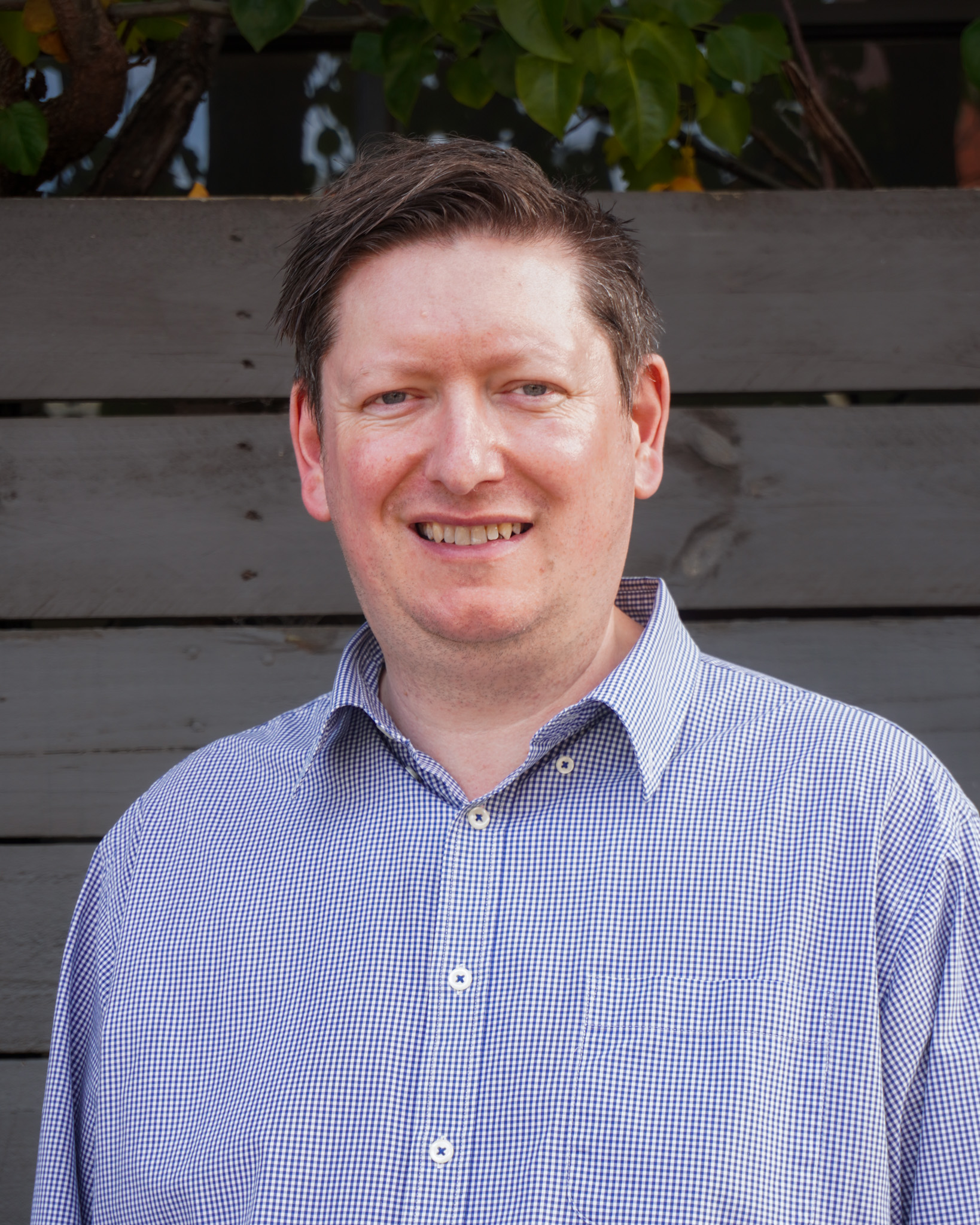
Doctor of Clinical and Forensic Psychology; Registered Clinical and Forensic Psychologist with deep experience in workplace wellbeing, psychosocial risk management, resilience and team functioning.
As Clinical Lead for Opposite's Coachling initiative, Ramsay integrates counselling and coaching approaches to support sustainable performance and mental health at work. He will play a lead role in psychosocial risk interpretation, interview design and analysis, and the development of practical, evidence based recommendations.
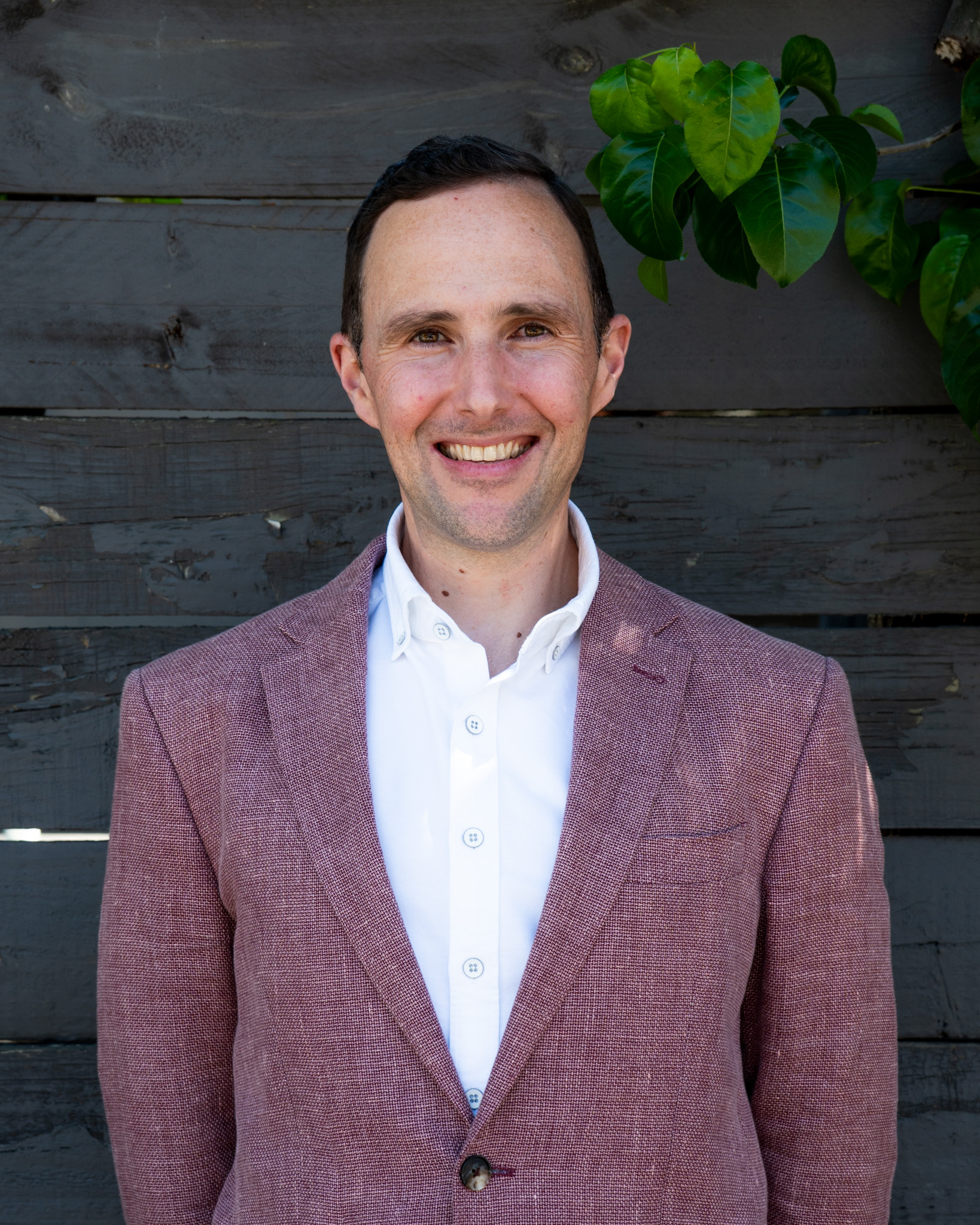
Head of Human Enablement at Opposite; Registered Psychologist with a Master of Organisational Psychology. Patrick specialises in workplace wellbeing, psychosocial risk, resilience and team functioning.
He has extensive experience in leadership and team development, coaching and designing practical interventions that address workplace stressors and build sustainable performance. Patrick will lead the diagnostic, interviews and development of practical recommendations alongside Ramsay.
All costs are indicative, exclusive of GST and any agreed travel expenses, based on a day rate of AUD $2,000. Step 1 is priced as a standalone commitment; the diagnostic options proceed only on approval following Step 1. Option 2 (Expanded Diagnostic) provides the most balanced approach.
| Engagement Step | Description | Effort (days) | Investment (AUD ex. GST) |
|---|---|---|---|
| Step 1. Foundation & Alignment | Desktop review, targeted stakeholder discussions, tailored 60 minute leadership session on psychosocial risk, and an agreed diagnostic plan. | 3 days | $6,000 |
| Option 1. Rapid Diagnostic | Targeted, high level review: desktop review, concise survey, approximately 15 interviews, stakeholder consultation. | 13 days | $26,000 |
| Option 2. Expanded DiagnosticRECOMMENDED | Deeper, more representative review: desktop review, survey, approximately 30 interviews, broader stakeholder engagement (3 workshops plus regular discussions) and richer analysis. | 18 days | $36,000 |
| Option 3. Comprehensive Review | Thorough diagnostic: expanded interviews (approximately 50), wider stakeholder set and more detailed analysis and roadmap. | 24 days | $48,000 |
Budget can be refined with Indara after Step 1, once the preferred option, cohorts and timeframes are agreed.
Opposite led the WorkWell funded "Simplify" project, focusing on simplifying work at its source to address stress, confusion and mental fatigue driven by complex and fragmented processes. Across a set of partner organisations, administrative load and unclear ownership were driving strain, with flow on impacts to wellbeing and performance.
Monash College wanted to strengthen how risks were identified and managed across its student placement programs. While formal processes existed, there was limited visibility of how risks were experienced in practice, and whether controls were sufficient and consistently applied.